Materials, Atmosphere, and Craftsmanship
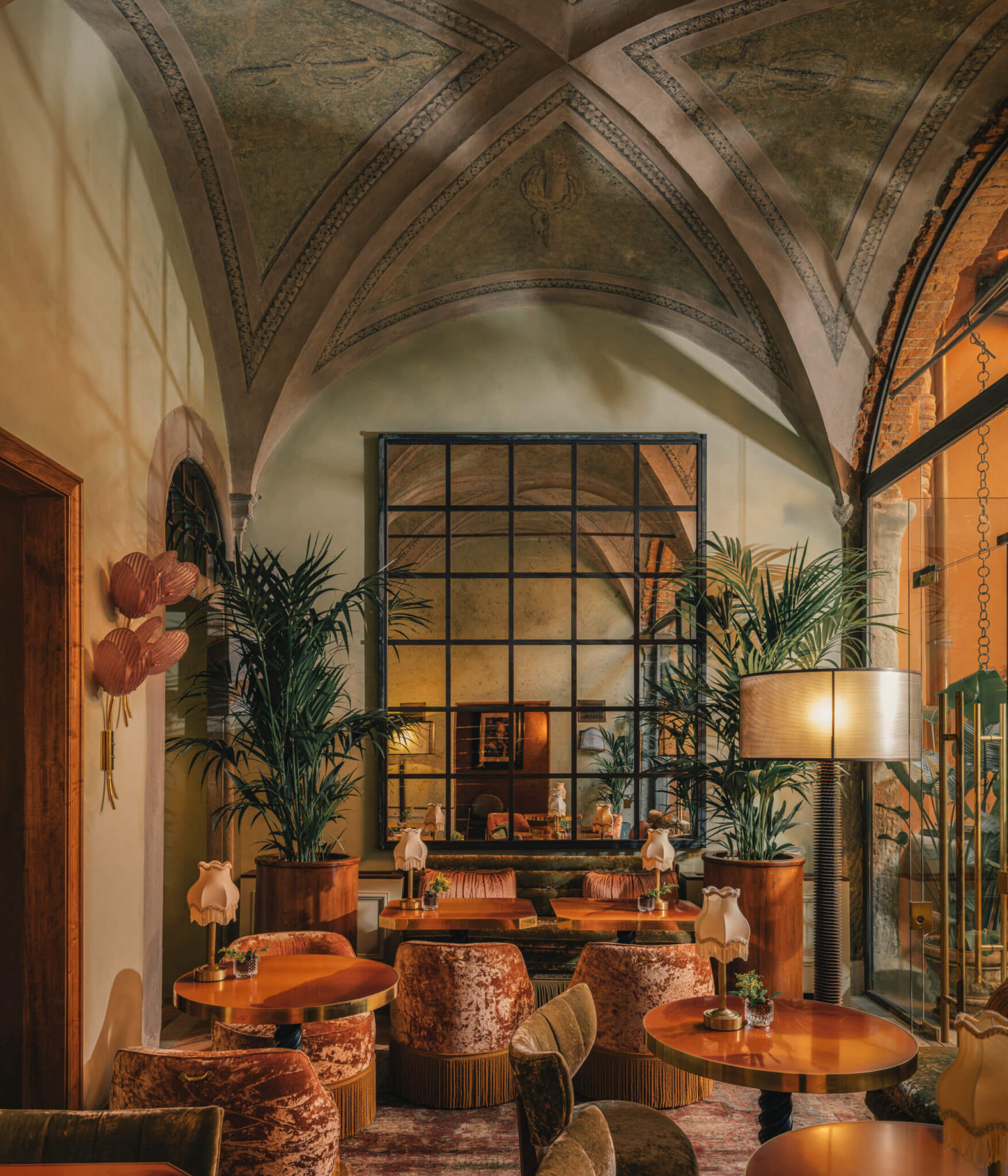
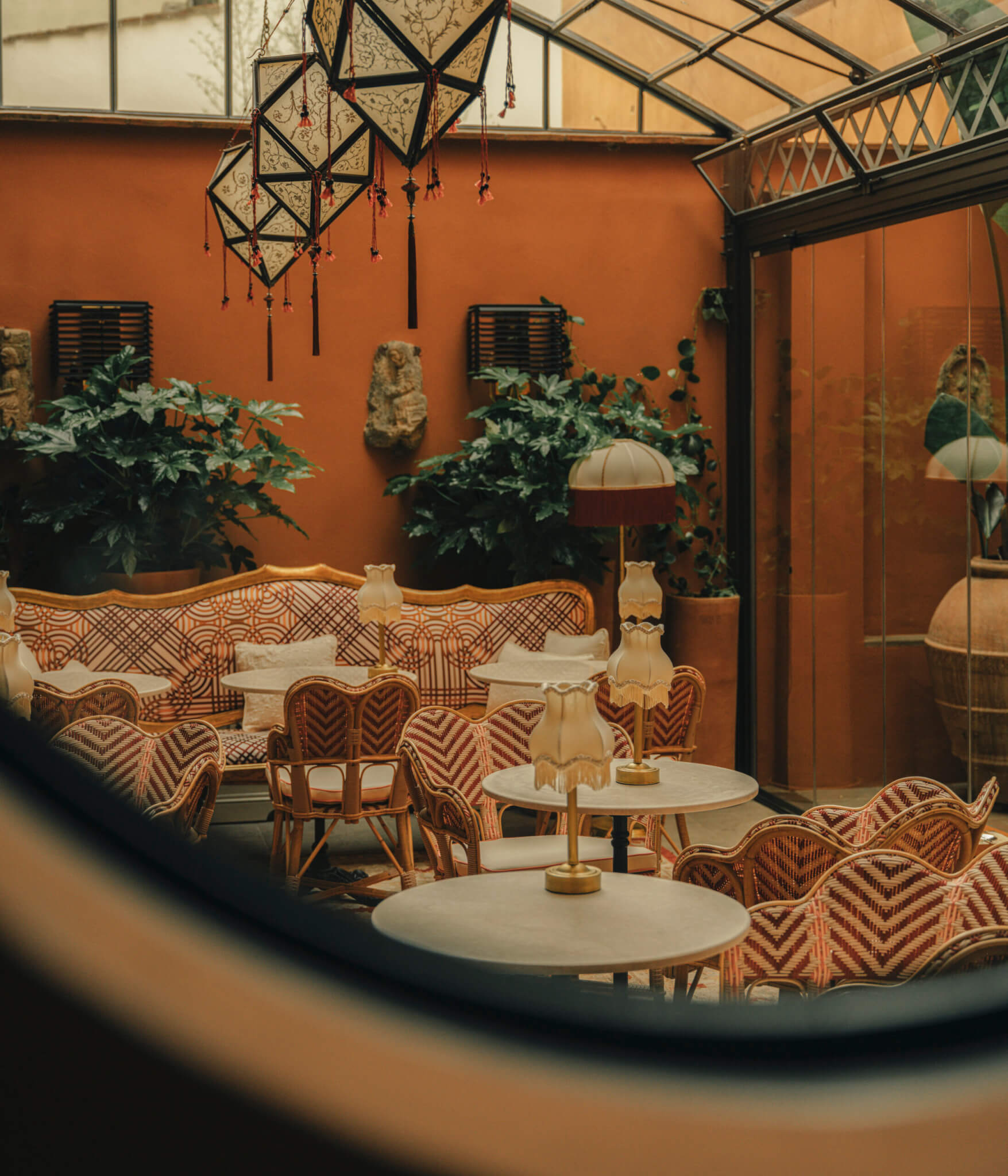
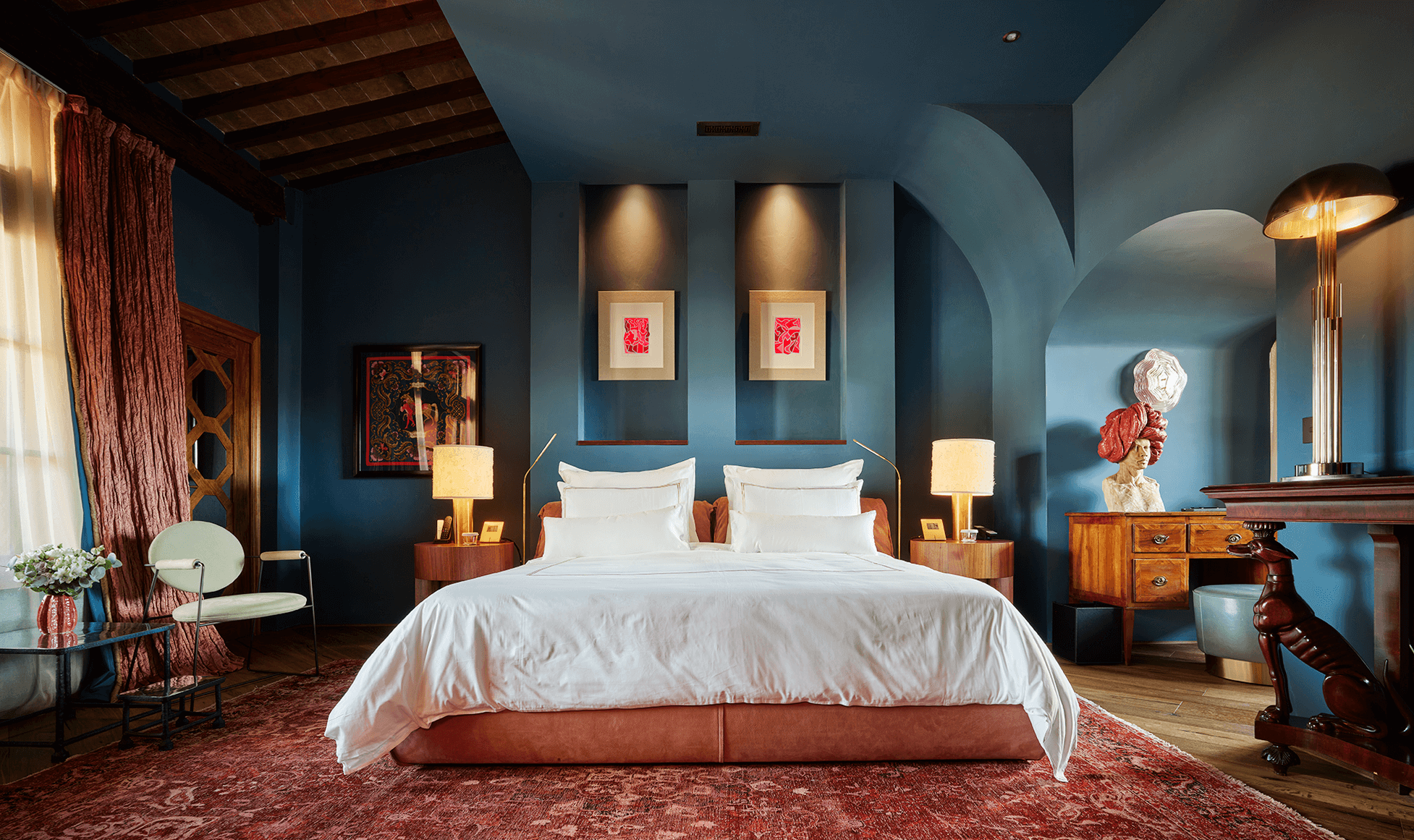
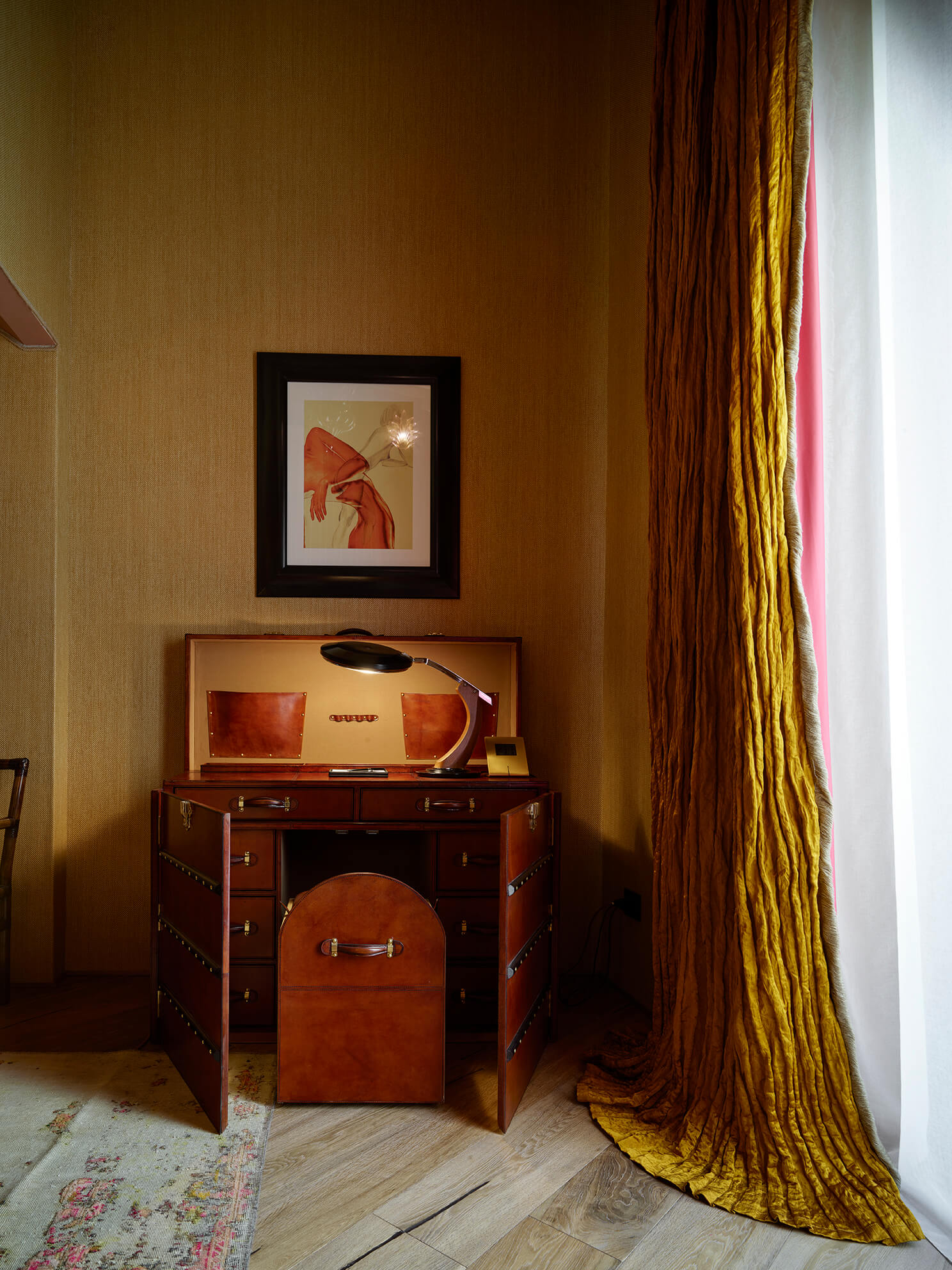
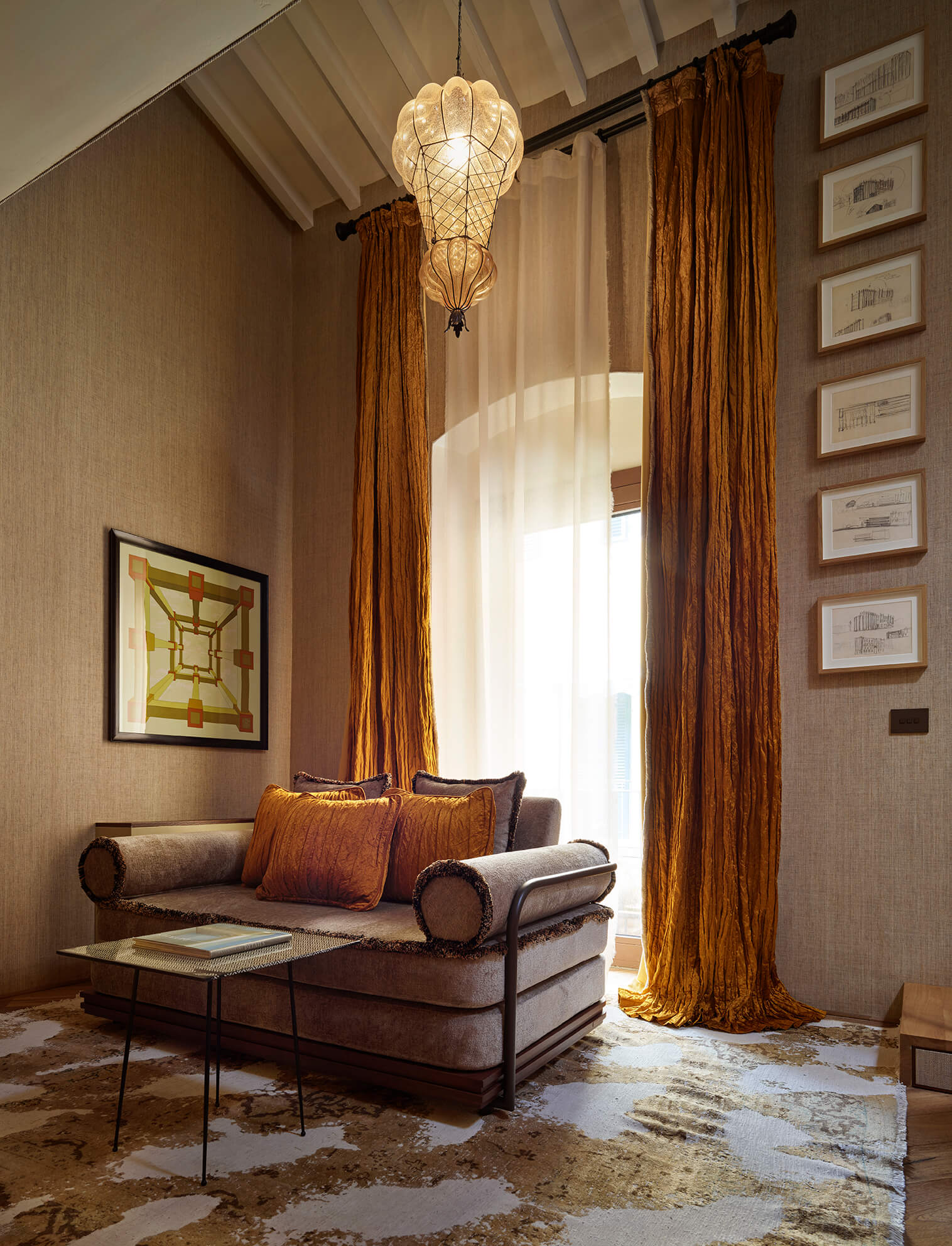
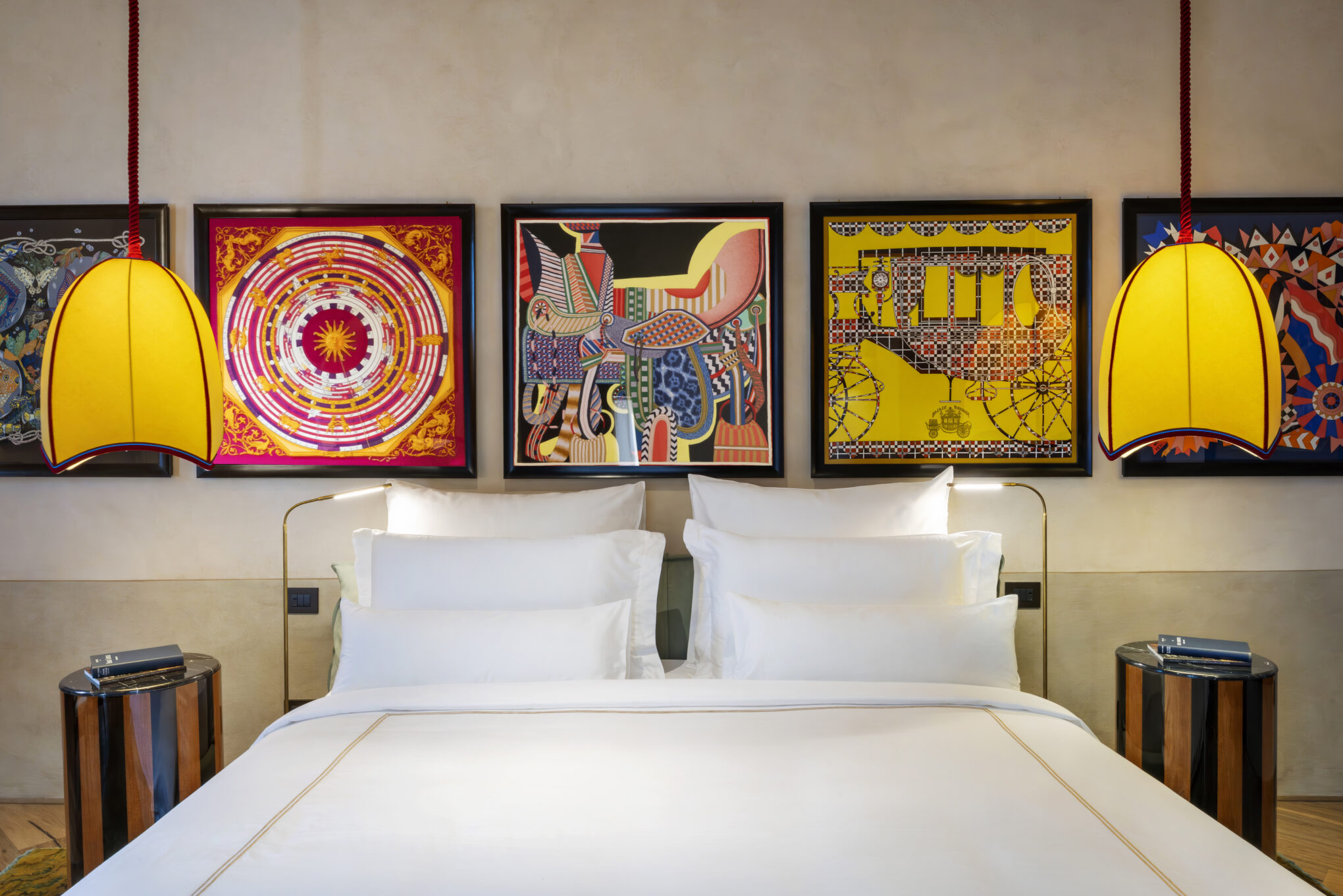
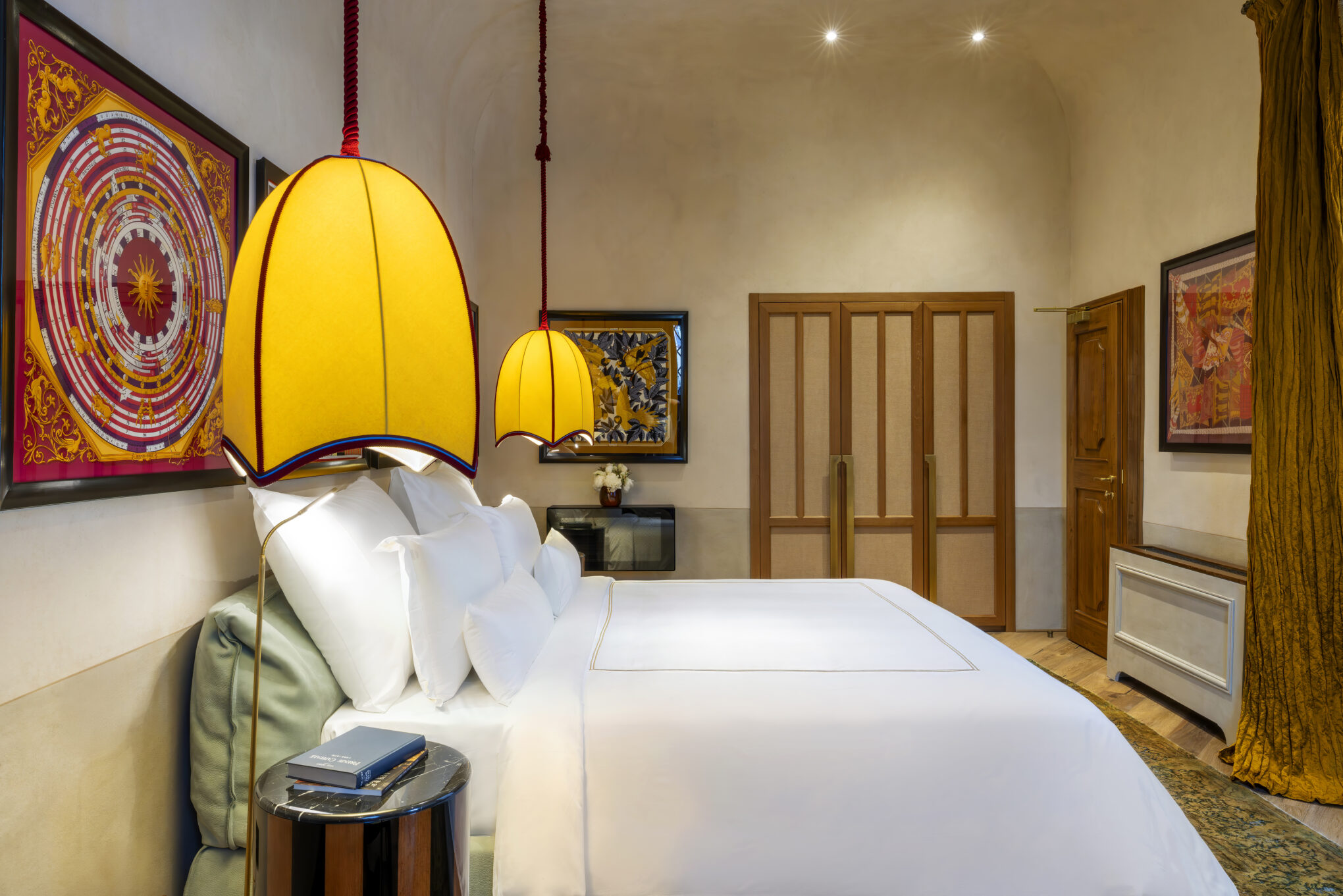
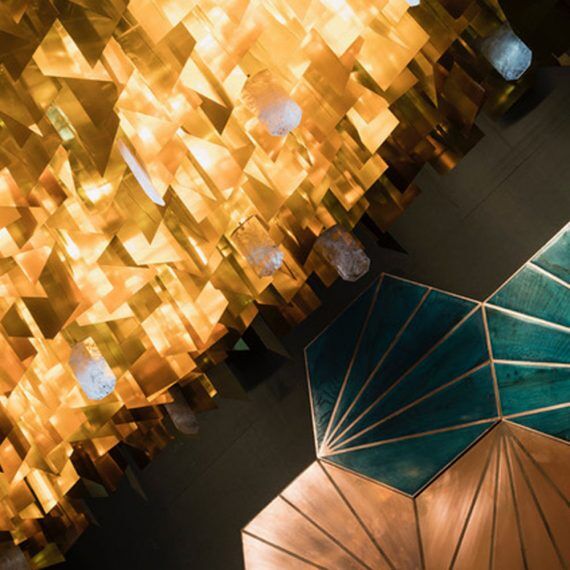
Throughout the hotel, materiality plays a central role. Natural plasters, velvet textiles, patinated brasswork, and Tuscan marble define the interiors, giving each room a tactile and atmospheric quality.
Soft colours and curated compositions reinforce the original character of the palazzo, while handmade details introduce intimacy and refinement. Instead of relying on decoration, the design privileges texture, proportion, and material depth — allowing spaces to feel composed rather than imposed.
Craftsmanship and Contemporary Design
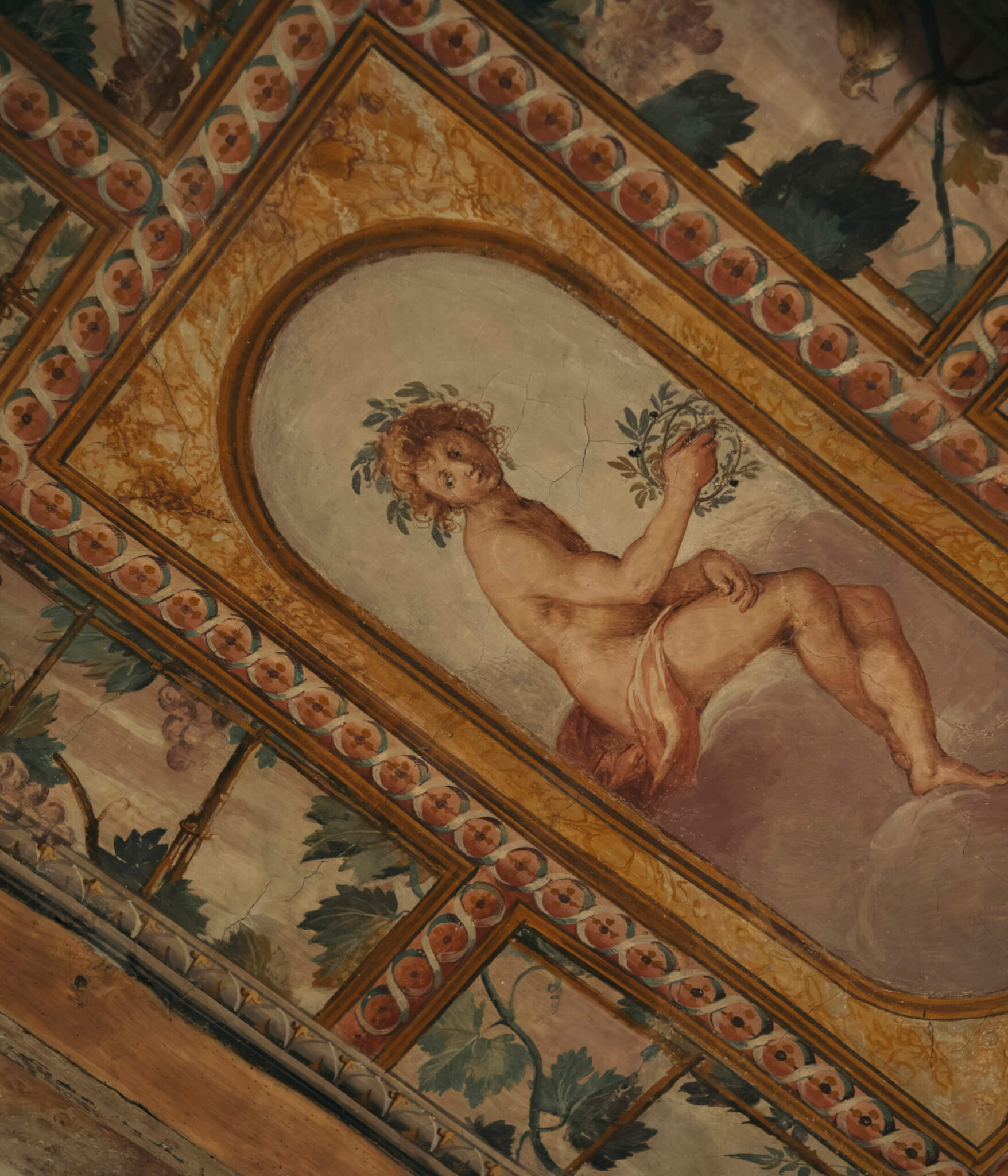
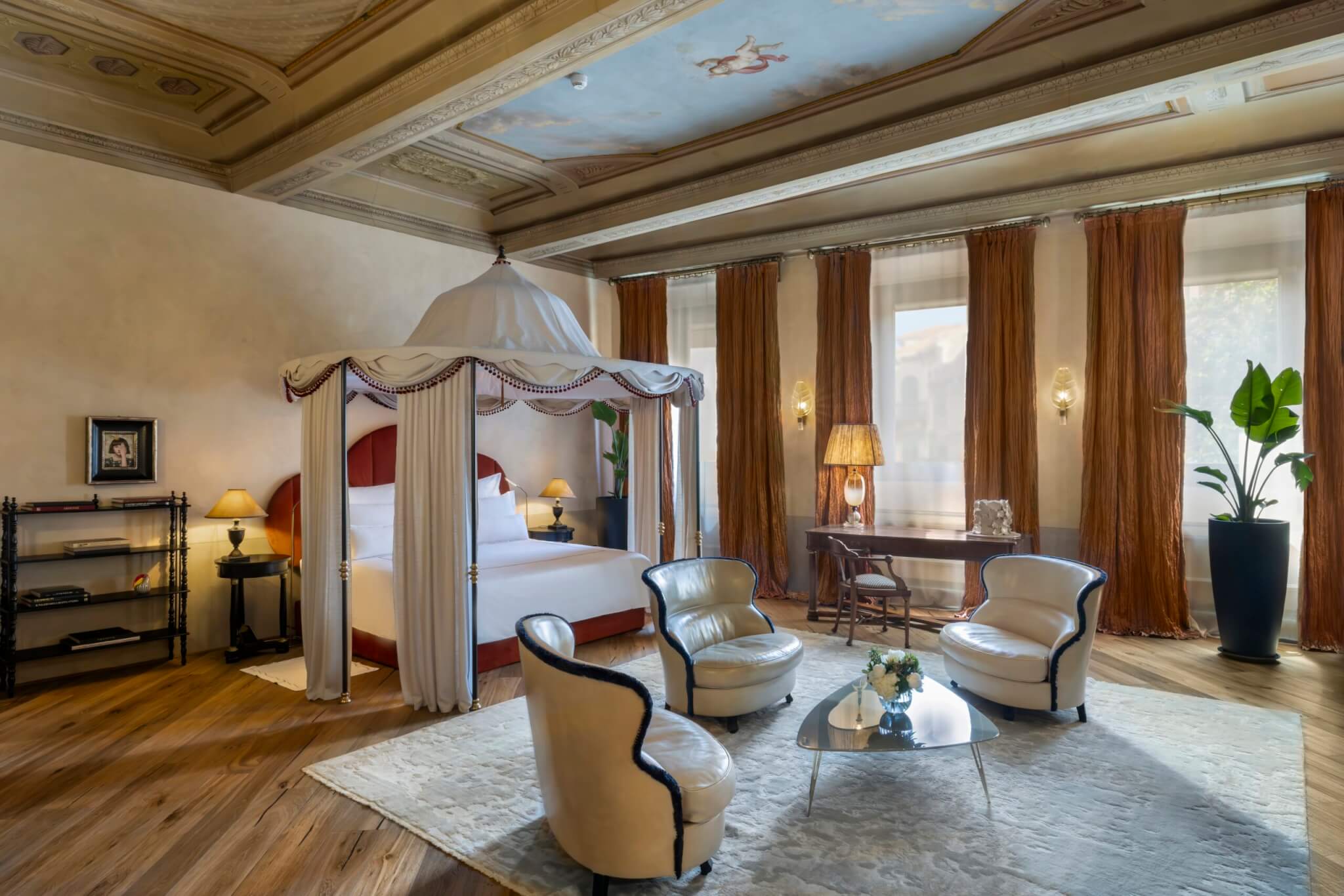
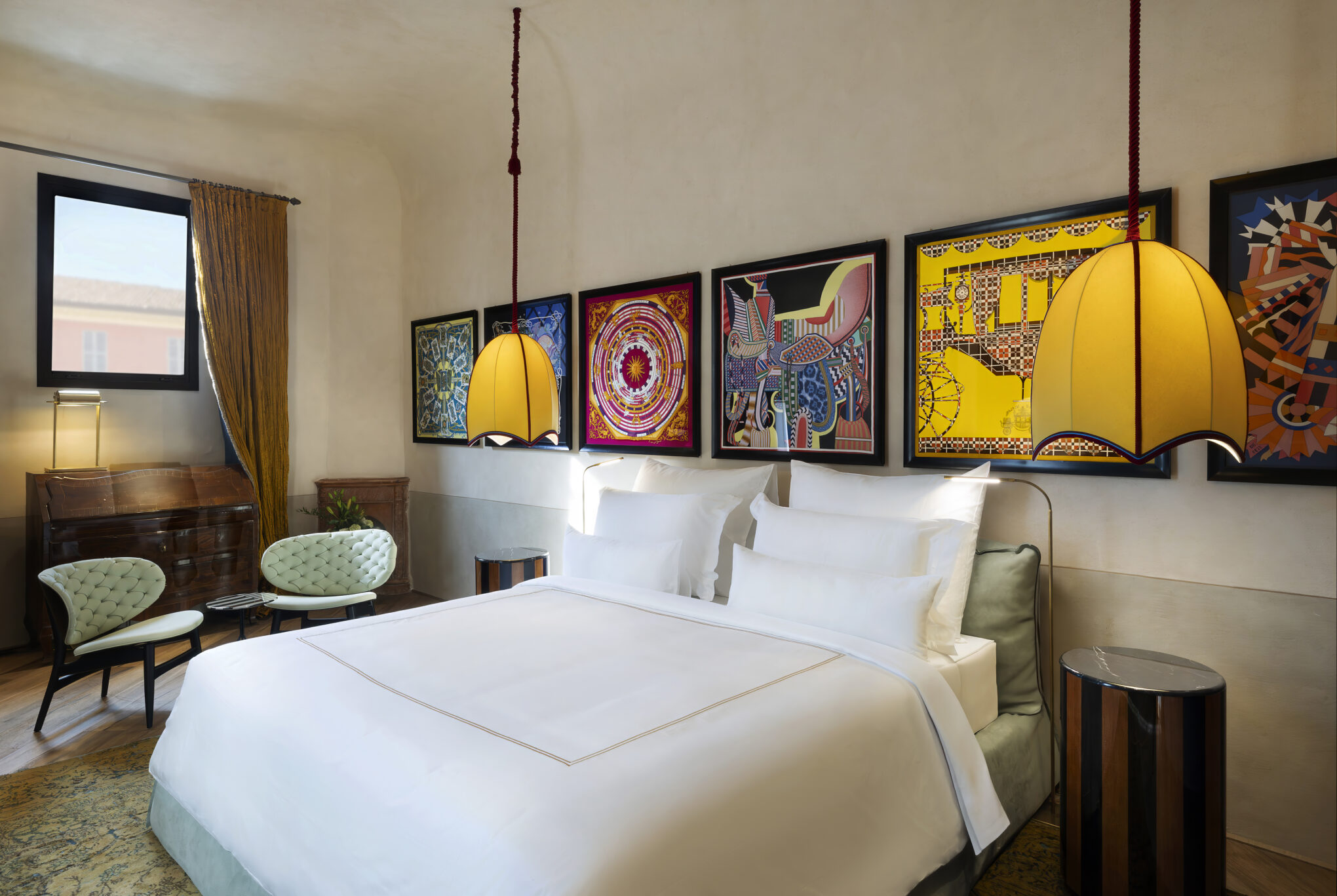
The design concept establishes a dialogue between past and present. Hand-restored frescoes coexist with commissioned artworks and bespoke furniture, creating interiors that feel layered yet coherent.
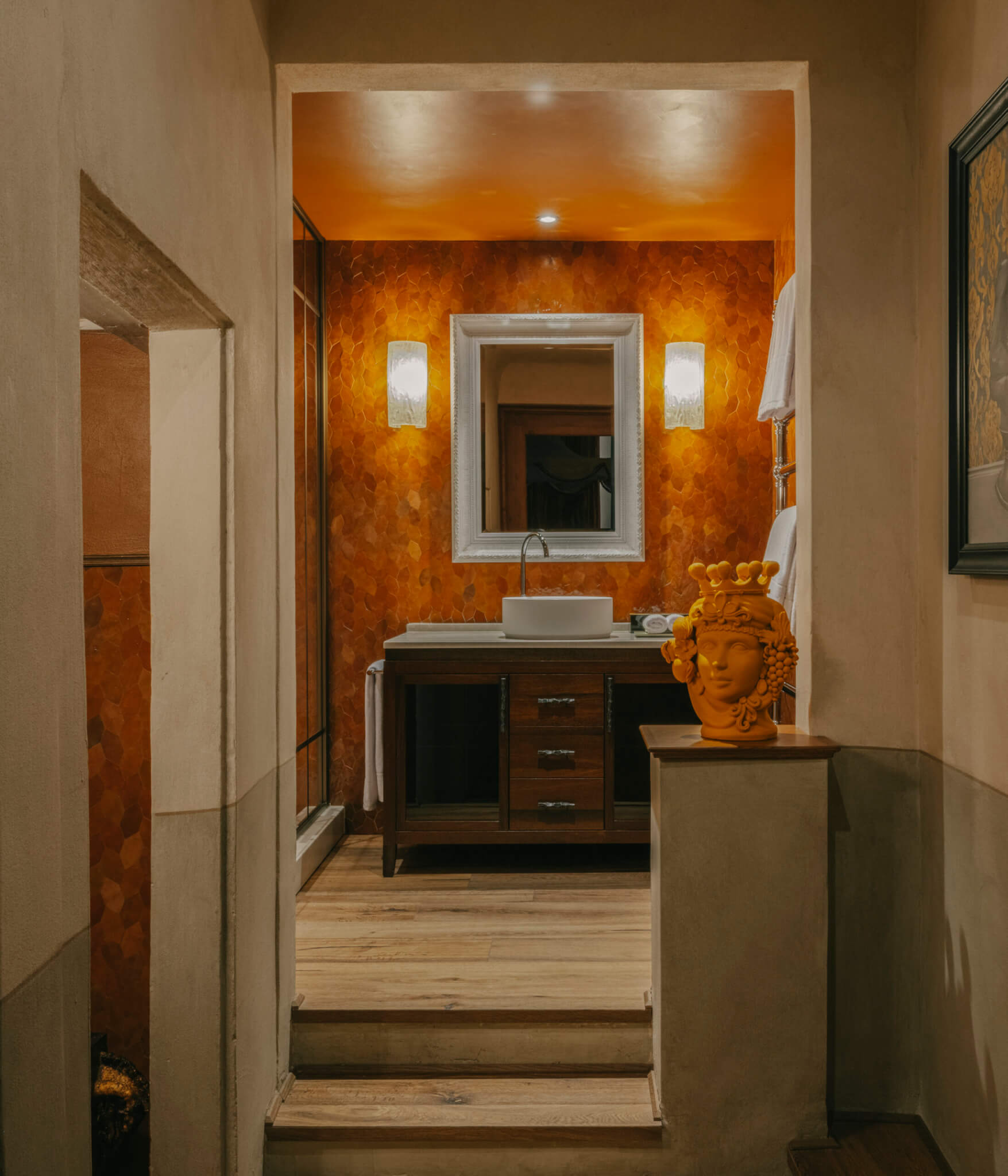
Living spaces transition naturally into serene bedrooms, while bathrooms feature artisanal ceramics, sculptural lighting, and brushed metal finishes.
Every surface reflects a deep respect for Florentine tradition and material culture. A subtle British influence also appears in the architect’s creative language — an understated sensibility that introduces restraint and sophistication while complementing the Italian setting.
Public Spaces and the Hospitality Experience
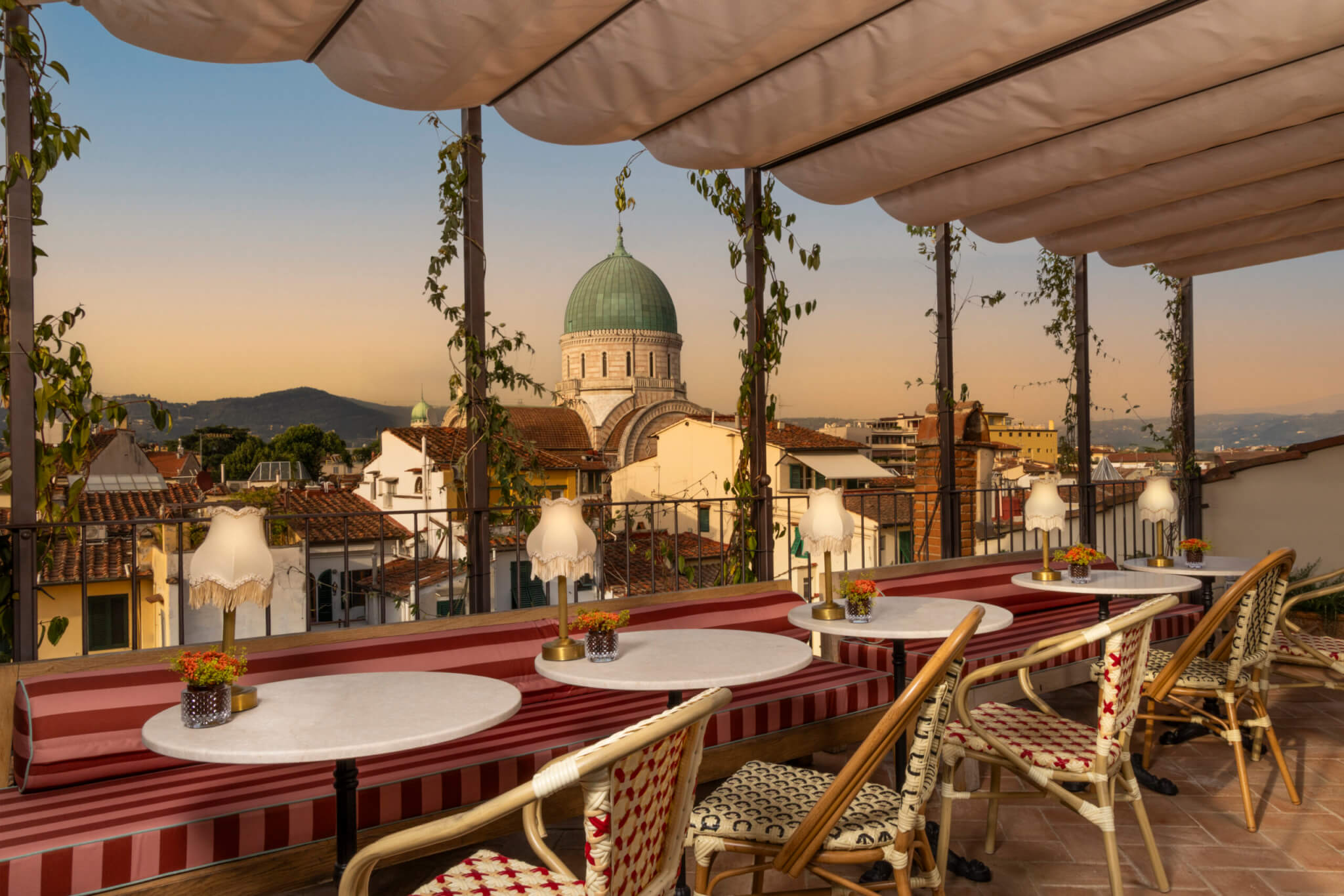
The public areas continue the same narrative. The James Restaurant interprets Mediterranean cuisine through minimalist interiors and a refined use of colour, where design and gastronomy work together to shape the guest experience.
Similarly, the 1564 Lounge Bar — named after the year the palazzo was built — offers a cinematic atmosphere. Velvet textures, candlelight, and curated soundscapes enhance moments of social interaction, while rare spirits and botanicals enrich the setting.
The Building as a Riverbed: A Container That Breathes Stories
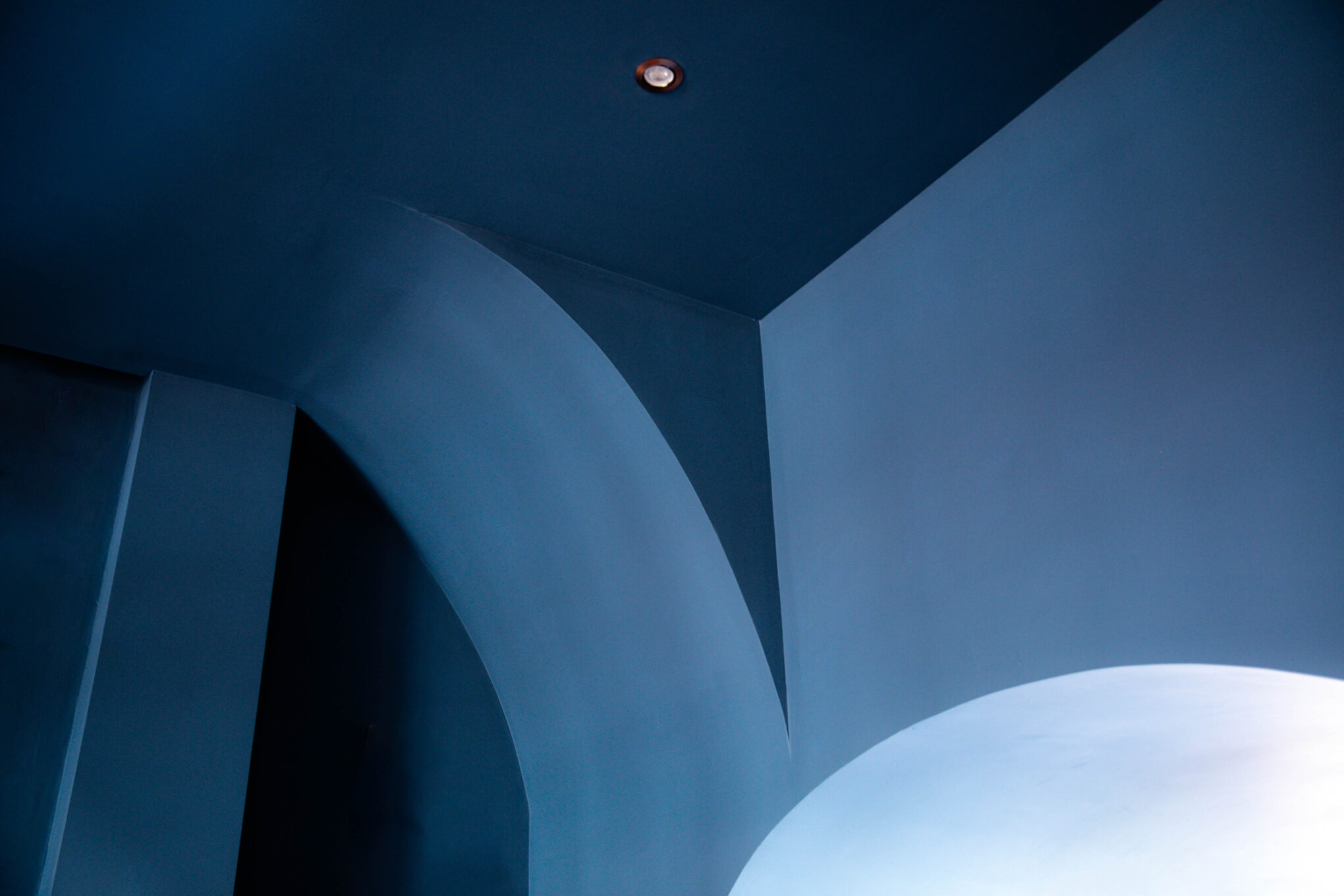
The building’s geometry became a riverbed: a form that welcomes the stories of the rooms just as a river welcomes flowing water while remaining itself.
The interior does not replicate the building’s history — it amplifies it and allows it to breathe.
The result is a rare equilibrium: a hotel that is neither ancient nor contemporary, but temporal — crossed by time without being constrained by it.
Inheritance as a Form of Design
Every design decision serves a clear purpose.
The project preserves the soul of the historic building while opening a new chapter in Florentine hospitality. The James Suite Hotel Firenze 1564 stands as a contemporary expression of luxury hotel interior design in Florence — a place where craftsmanship, heritage, and refined hospitality converge.
Heidegger wrote that building means “safeguarding being over time.”
This project embraces that idea: it preserves, transmits, and anticipates.